Oncology · Rehabilitation · International patient services简体中文繁體中文EnglishFrançaisDeutsch

LUSHAN INTERNATIONAL · GANBEI HOSPITAL

Home / Multidisciplinary oncology. Rehabilitation throughout your care.

Multidisciplinary oncology. Rehabilitation throughout your care.

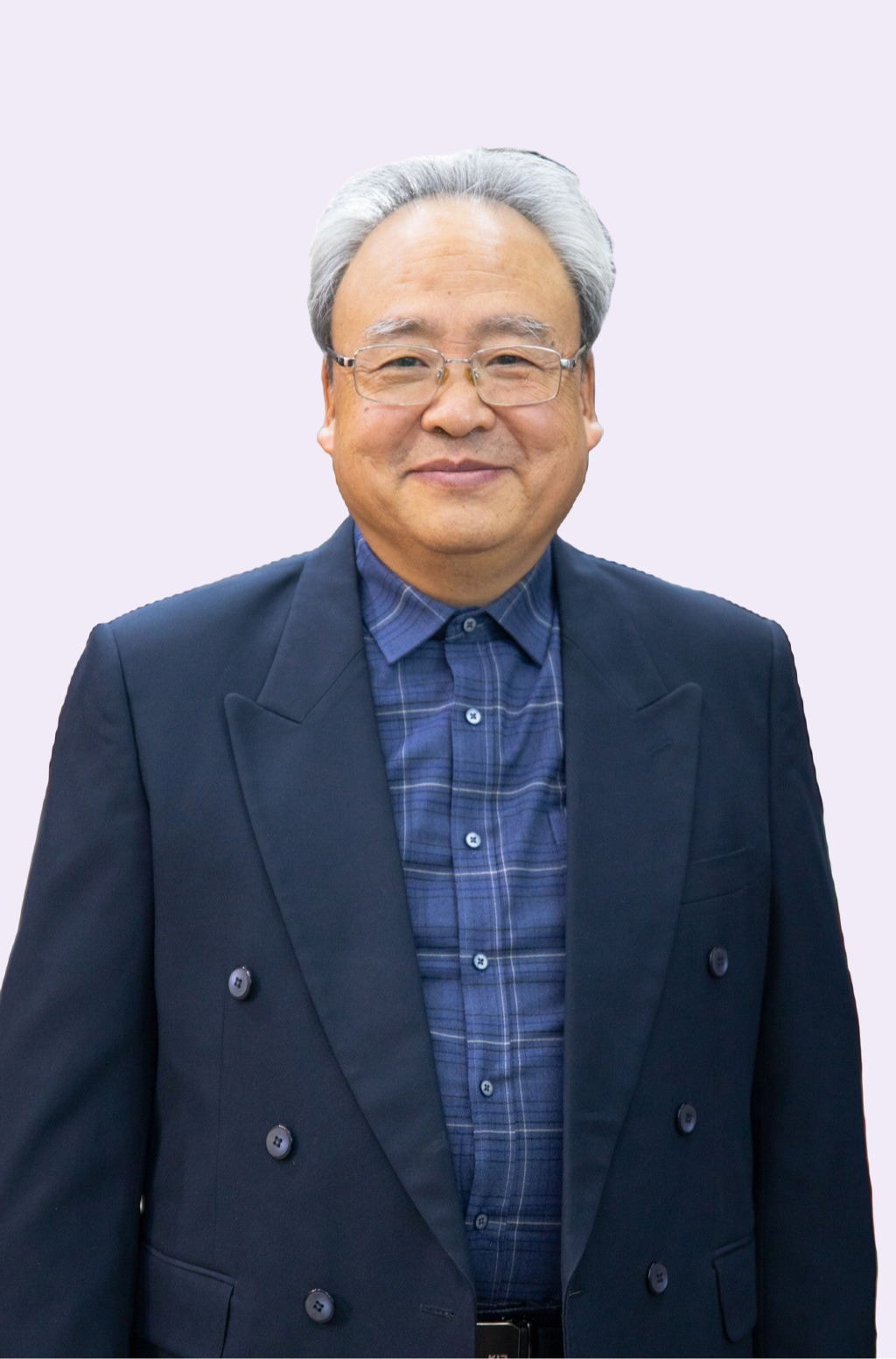
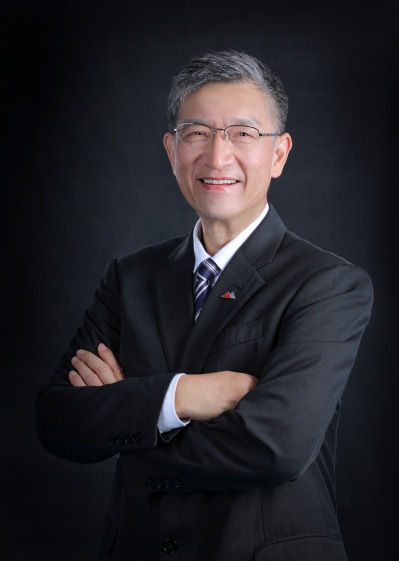
Guided by the rehabilitation expertise of Li Jianan, with oncology specialists including Huang Chuangui, Wang Sanhu and oncology clinician Shi Qingyi, our approach considers cancer care, physical function, nutrition and emotional needs in an individual care plan.

What brings our care together

A broader view through multidisciplinary assessment

Cancer can affect movement, eating, sleep and emotional well-being. Our team reviews pathology, imaging, treatment history and function, coordinating rehabilitation, Chinese medicine, nutrition and psychological expertise as needed.
Rehabilitation considered alongside treatment

From the first assessment, treatment planning considers symptoms, physical function and everyday needs. Support during treatment and recovery afterwards are connected through clinical reassessment.

Expertise supported by hospital specialties

Li Jianan contributes rehabilitation leadership and specialty development. Huang Chuangui and Wang Sanhu contribute traditional Chinese medicine oncology expertise, while Shi Qingyi contributes oncology clinical care. Hospital specialties add perspectives for complex needs.

CANCER CARE BY CONDITION

Explore care by cancer type

Start with the diagnosis, then move into treatment stage, recovery needs, specialists and patient questions.

View all conditions

INTEGRATED ONCOLOGY & REHABILITATION

Rehabilitation as an essential part of cancer care

Li Jianan advocates attention to rehabilitation alongside cancer control. Walking, eating, sleeping and returning to daily activities also matter. Our integrated pathway considers function and quality of life, with movement, nutrition, psychological and other rehabilitation support selected for the individual.

Alongside diagnosis and standard treatment, the hospital integrates traditional Chinese medicine assessment and rehabilitation to address symptoms, function and recovery.

The idea sometimes described as a “fourth treatment approach” highlights rehabilitation within comprehensive care. Rehabilitation complements cancer treatment; the clinical team assesses its timing, content and safety.
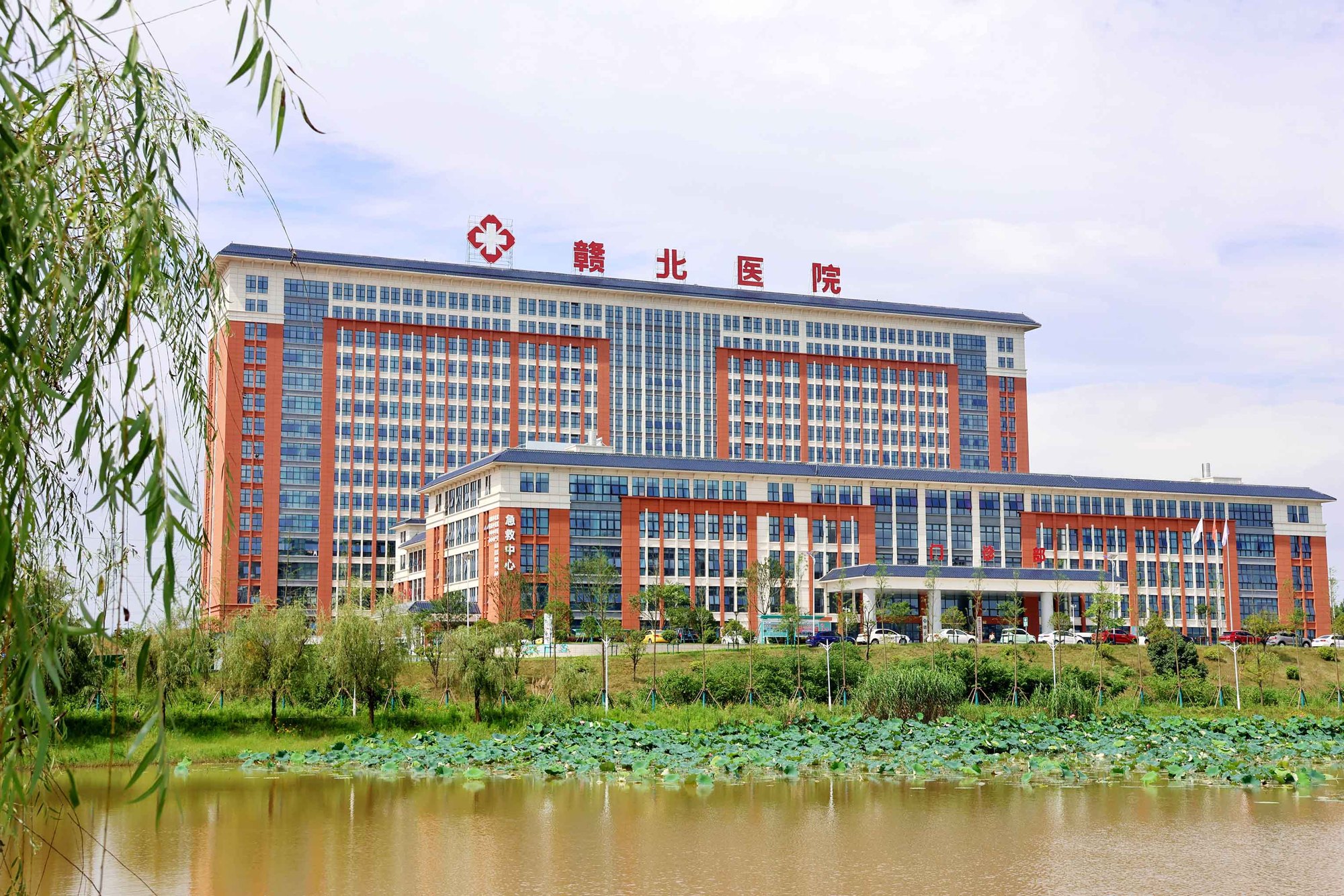
Ganbei Hospital campus

Meet the experts contributing to care and specialty development

Oncology and rehabilitation involve complementary expertise. Explore professional backgrounds and ask reception to arrange the appropriate specialty and appointment.

Wang Sanhu
Visiting expert · Forthcoming clinics

Professor Wang Sanhu

Chief Physician · Professor · Medical doctorate · TCM oncology

Professor Wang Sanhu is scheduled to provide future visiting clinics at our hospital. Dates will be announced in the hospital schedule. Contact reception to register your interest and ask about forthcoming appointments.

Explore hospital activities

What does a multidisciplinary assessment consider?

We begin with your established diagnosis and the difficulties that matter most to you.

  1. 01

    Disease and treatment history

    Pathology, imaging, staging, previous procedures and medicines help clarify disease status and questions that need further assessment.

  2. 02

    Symptoms and everyday difficulties

    Pain, fatigue, mobility, weight, eating, sleep and emotional concerns provide a fuller view of your needs during treatment and daily life.

  3. 03

    A coordinated next step

    Relevant specialties discuss treatment direction, rehabilitation goals and reassessment, explaining the purpose and suitability of proposed care to you and your family.

The participants, available services and appointment details must be confirmed by the hospital.

Recovery support for real-life difficulties

Assessment guides support for function, symptoms and daily activities.

Movement and physical capacity

Strength, stamina and activity are assessed to guide an appropriate movement and functional programme.

Function after surgery

Breathing and endurance after lung cancer surgery, or shoulder and arm movement after breast cancer surgery, can be assessed by the team.

Nutrition and eating

Appetite, food intake and weight changes inform nutritional assessment and support during care.

Pain and symptom management

Clinical assessment of pain and discomfort connects symptom management with functional recovery.

Emotional health and sleep

Patients and families can discuss anxiety, sleep difficulties and the pressures of diagnosis and treatment.

Integrated Chinese and Western medicine

Chinese medicine assessment is considered alongside existing care, medicine use and clinical safety.

A connected pathway from assessment to everyday life

  1. 01

    First visit and joint assessment

    Your records, disease status, function and care goals help identify relevant specialties.

  2. 02

    Support during treatment

    Physical condition and symptoms are reassessed to adapt movement, nutrition and emotional support.

  3. 03

    Functional recovery

    Walking, breathing, arm movement, eating and everyday independence inform individual recovery goals.

  4. 04

    Leaving hospital and follow-up

    Discuss medicines, rehabilitation advice, review dates and contact routes to continue your plan at home.

Building expertise through clinical practice and exchange

Expert workstation discussions, rehabilitation events and professional exchange support ongoing development of integrated oncology and rehabilitation.

Explore hospital activities

Prepare for your first conversation

  • Diagnosis and pathology reports, recent imaging and tests
  • Records of surgery, radiotherapy and medicines
  • Current medicines, allergies and other conditions
  • Your main daily difficulties and personal care goals
Discuss your care needs

Questions from patients and families

Can rehabilitation be assessed before treatment ends?

You can discuss assessment during cancer care. A clinician considers the disease, treatment phase and physical condition before recommending specific support.

Can I enquire if I received treatment elsewhere?

Bring your diagnosis, pathology, imaging and treatment records. The team can discuss your current treatment plan and recovery needs.

How do I request a specialist or joint assessment?

Contact reception with your diagnosis, previous treatment, current concerns and location. The team helps confirm specialties, expert participation and appointment timing.

Specialist therapies

Patient stories · individual care experiences

Hear patients describe their care and recovery. Select a video to watch.

More patient stories

Personal stories do not predict treatment outcomes. A clinician must assess individual care needs.

WE ARE HERE TO HELP

Your next step starts with a conversation.

Tell us what you need and enquire about your visit.

Contact form
WhatsApp enquiryRequest a WhatsApp reply