Diagnosis and treatment planning
Pathology, receptor status, imaging, surgery and systemic treatment are considered together to understand the sequence of care.
 Lushan International Oncology & Rehabilitation Center赣北中西医结合医院Enquire about care
CANCER CARE PATHWAY
Recovery after breast cancer treatment may involve more than completing surgery or medication. Shoulder and arm limitation, heaviness or swelling, fatigue, sleep changes and emotional stress can all affect everyday life. Our pathway connects oncology care with ongoing functional assessment.
CARE JOURNEY
The questions that matter after diagnosis, during treatment and during recovery are not the same.
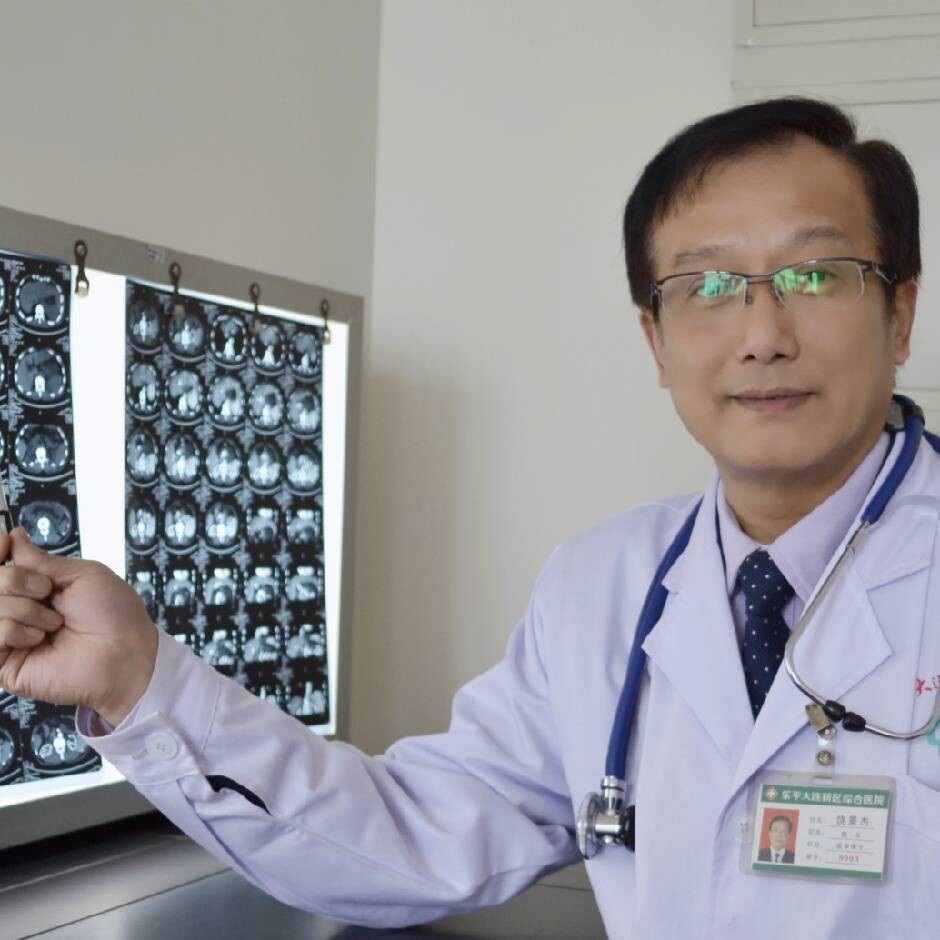
Pathology, receptor status, imaging, surgery and systemic treatment are considered together to understand the sequence of care.
Shoulder movement, pain, swelling concerns, fatigue, sleep and emotional stress may affect day-to-day recovery.
Shoulder and arm function, upper-limb comfort, stamina and daily activity can be reassessed as treatment progresses.
HIGH-INTENT QUESTIONS
Explore focused pages for common post-treatment and post-surgery concerns.
How previous surgery and current treatment fit together
How shoulder limitation, pain, heaviness or swelling should be assessed
How fatigue, sleep and nutrition can be supported during treatment
RELATED CLINICIANS
Explore professional backgrounds and discuss the appropriate appointment with reception.
PATIENT QUESTIONS
A functional assessment can help clarify the problem. Exercise type and intensity depend on the surgery, wound recovery, pain, swelling risk and treatment stage.
No. Symptoms need clinical assessment because several causes are possible. The next step depends on the findings.